Fairy Tale Woodcut Engraving Style
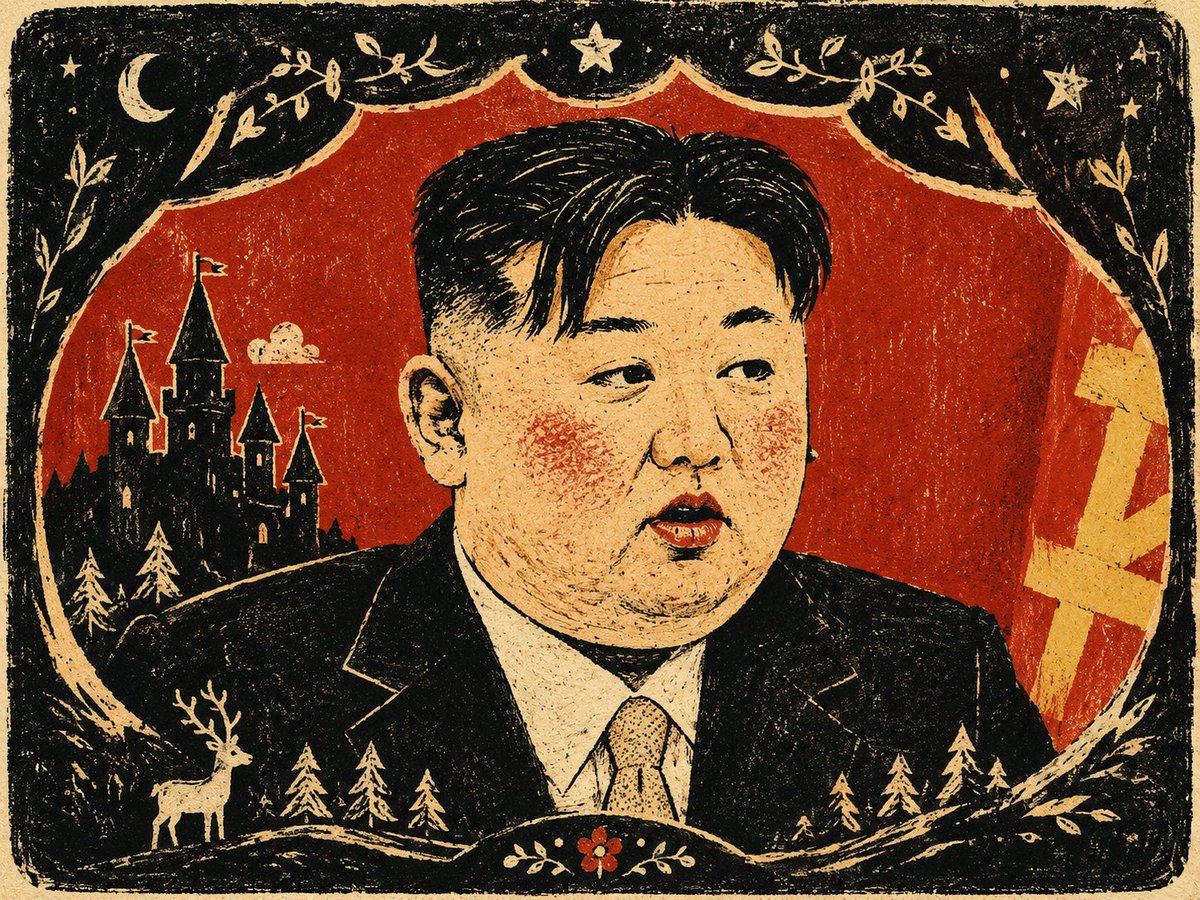
Full prompt
Generate a fairy tale woodcut engraving image centered on the subject, action, and spatial relationship of the input image. First, extract a large-area low-brightness or high-contrast structural field from the content to serve as a container, path, frame, or density layer enveloping the subject. The subject is redrawn as graphic shapes instead of photographic details, compressed into one or two clear large blocks, using blunt silhouettes, slightly exaggerated proportions, and a few key edges to retain identity, action, function, and emotion. The most important information appears only in small areas of highly saturated color blocks, concentrated on the face, posture, path, object functional points, environmental markers, or narrative focus, and is always suppressed by dark structures or light negative shapes, making the screen vivid but not even. The background grows from the space and meaning of the input content, cutting the edge of the subject like a shell of the story, forming a structural narrative of occlusion, cropping, engulfment, and partial exposure. Colors maintain a three-layer relationship: large areas of dark structural color for weight and boundaries, an appropriate amount of light color or white space for breathing, and small areas of high-saturation emotional color for the reading route and story signals. The hue changes with the emotional temperature of the theme, but the area ratio and lightness order remain stable. Adopt flat narrative perspective, organizing reading with bird's-eye compression, lateral movement, front framing, path guidance, scale jumping, or edge cropping; the space presents a picture-book page-style flat hierarchy. Lines appear only at functions, paths, boundaries, textures, and identification points, remaining sparse, hand-drawn, and slightly inaccurate thin lines. All color blocks remain flat, but the edges have dry brushing, particles, blank spaces, paper textures, spray points, and slight overprinting misalignment, like a handmade image completed by screen printing and oil pastels. If text is needed, let the text become small signs, object panels, or edge annotations in the picture, with rounded, slightly uneven font thickness and low density, obeying the graphic structure. Overall, maintain the same author's language of low detail and high recognition, dark field wrapping bright color signals, and the coexistence of cute narrative and heavy woodcut engraving.
Original prompt
以输入图片的主体、动作和空间关系为核心,生成一张童话版画式图像。先从画面内容里提炼一个大面积低明度或高反差结构场,让它成为包裹主体的容器、路径、框架或密度层;主体以图形重绘替代照片式细节,被压缩成一两个清楚的大体块,用钝拙的剪影、略夸张的比例和少量关键边缘保留身份、动作、功能和情绪。最重要的信息只以小面积高饱和色块出现,集中在面部、姿态、路径、器物功能点、环境标识或叙事焦点上,并始终被深色结构或浅色负形压住,让画面鲜艳但不平均。背景从输入内容的空间和意义中生长出来,像故事发生的外壳一样切住主体边缘,形成遮挡、裁切、吞没和局部露出的结构叙事。色彩保持三层关系,大面积暗结构色负责重量和边界,适量浅色或留白负责呼吸,小面积高饱和情绪色负责读图路线和故事信号;色相随主题的情绪温度改变,但面积比例和明度秩序保持稳定。采用平面叙事透视,用俯视压缩、侧向移动、正面框架、路径引导、尺度跳跃或边缘裁切组织阅读,空间呈现绘本页面式平面层级。线条只在功能、路径、边界、纹理和识别处出现,保持稀疏、手绘、略不准的细线;所有色块保持平面,但边缘带干刷、颗粒、飞白、纸纹、喷点和轻微套印错位,像丝网印刷与粉蜡笔共同完成的手工图像。若需要文字,让文字成为画面里的小标识、物体面板或边缘注释,字形圆钝、粗细略不均、密度低,服从图形结构。整体保持低细节高识别、暗场包裹亮色信号、可爱叙事与厚重版画并存的同一作者语言。
Use this prompt in the VdoBloom image editor.
Opens the image editor with this prompt — add your own photo to generate.