Frosted Glass Portfolio Cover Aesthetic
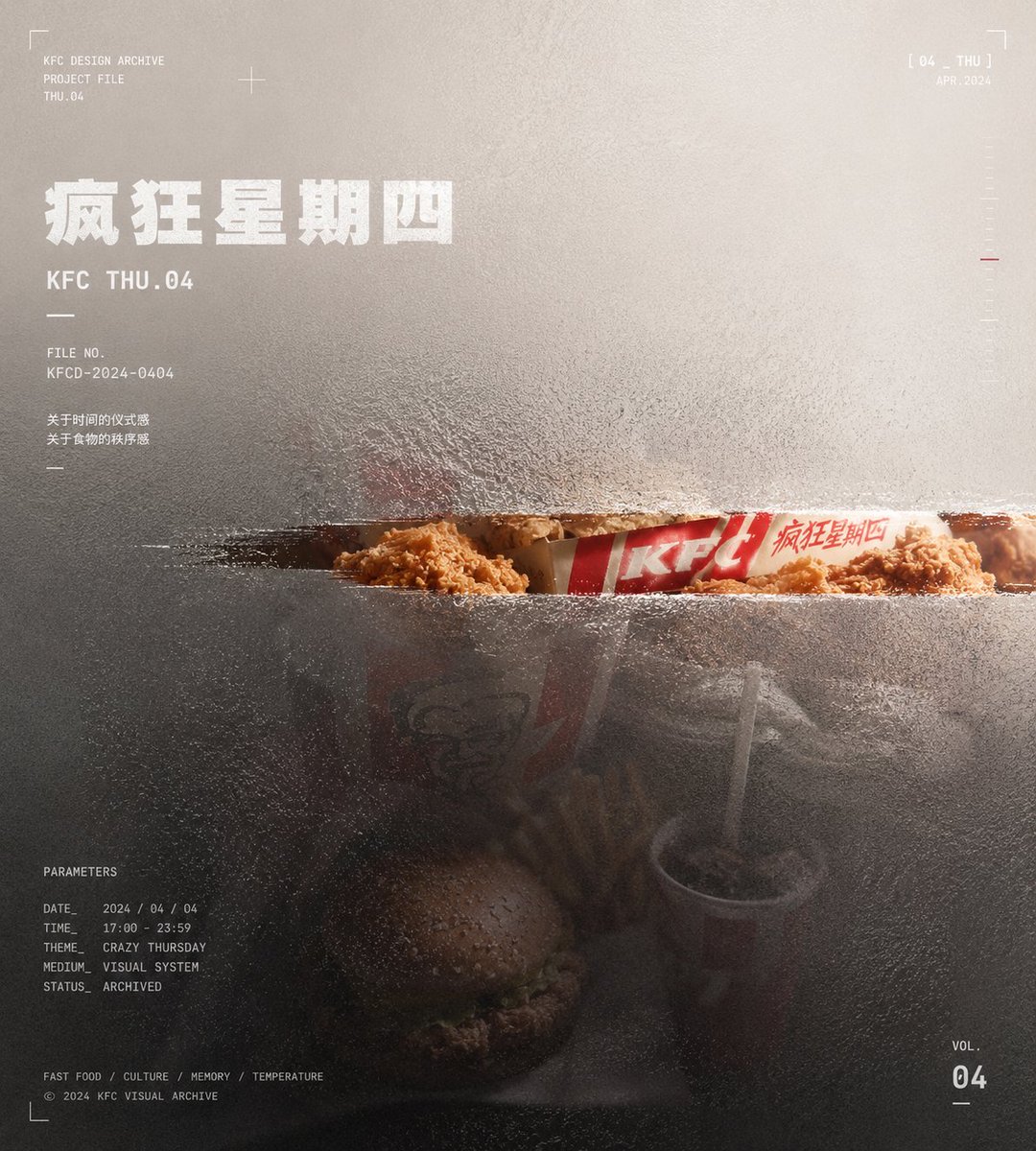
Full prompt
Create a visual work with portfolio cover order centered on specific thematic content. The core object should not be displayed in full, but first compressed into a main mass deviating from the central axis, sinking between a translucent atomized surface layer and a low-saturation background field. The full outline, secondary details, and ordinary descriptions of the object are swallowed by embossed glass particles, tiny refractive displacements, milky atomization, and low-contrast blur, leaving only a clean and clear narrow window cut at the position that best carries thematic identification. This part retains realistic texture, high contrast, and necessary colors, while the rest turns into dark masses, softened outlines, broken edges, and transitions consumed by the background. The clear narrow window should be like a precise gap wiped from the material surface, restrained in size but accurate in semantics, becoming the only strong entrance for viewers. The background is derived from the thematic spatial relationships, material attributes, time direction, and emotional temperature into a large-area low-noise color field, with a light airy feel at the top or outer side and a light-colored breathing zone on one side. The area where the main body is located is pressed into lower brightness. The background does not assume ordinary scene narrative but carries the functions of swallowing edges, carrying white text, and creating distance and memory. Color maintains a proportion between large-area low-saturation structural colors, low-brightness main colors, small amounts of concentrated realistic colors, and white information colors; hues change with the theme, while brightness levels, saturation restraint, and local color value remain stable. The picture uses three layers: clear, semi-clear, and out-of-focus. The clear narrow window is responsible for theme identification, short bold white titles and numbers remain semi-clearly readable, and most of the main body, background, and micro-information at the bottom enter atomized out-of-focus. The text uses modern sans-serif fonts, white or near-white, with short, heavy, bold titles that look like they are printed on the glass and slightly bitten by the surface layer. Corner identifiers, edge dates, numbers, and micro-annotations at the bottom form a metadata coordinate system like work numbers, archive records, and production parameters, serving the reading path without covering the clear narrow window. The entire surface retains visible tactile embossed glass texture, with texture density changing with the brightness of the underlying layer—denser in dark parts, milkier in bright parts, with fine refraction and slight displacement at the edges. All images, objects, and text look unified under the same material. The final image should present a calm, restrained visual cover with a technical archival feel: information is intentionally hidden, and only the most critical parts are released.

Theme: {argument name="theme" default="Crazy Thursday KFC"}
Ratio: 9:10
Original prompt
以具体主题内容为核心生成一张具有作品集封面秩序的视觉作品。核心对象不要完整陈列,而是先被压缩成一个偏离中轴的主质量,沉入半透明雾化表层与低饱和背景场之间;对象的完整轮廓、次要细节和普通说明都被压花玻璃颗粒、细小折射位移、乳白雾化和低对比模糊吞没,只在最能承载主题识别的位置切出一条干净清晰的窄窗,让该局部保留真实质感、较高对比和必要色彩,其余部分化为暗部质量、柔化轮廓、破碎边缘和被背景吃掉的过渡。清晰窄窗要像从材料表面擦开的精确缝隙,尺寸克制但语义准确,成为观者进入主题的唯一强入口。背景由主题的空间关系、材料属性、时间方向和情绪温度推导成大面积低噪声色场,上部或外侧保留轻空气感,一侧形成淡色呼吸区,主体所在区域压入更低明度;背景不承担普通场景叙事,而承担吞没边缘、承载白色文字、制造距离和记忆感的结构功能。色彩保持大面积低饱和结构色、低明度主体色、少量集中真实色和白色信息色之间的比例,色相随主题改变,明度层级、饱和度克制和局部色彩价值保持稳定。画面使用清晰、半清晰、失焦三层:清晰窄窗负责主题识别,短促粗白标题和编号保持半清晰可读,主体大部、背景 and 底部微型信息进入雾化失焦。文字采用现代无衬线字体,白色或近白,粗标题短促、厚重、像印在玻璃上并被表层轻微咬边;角落标识、边缘日期、编号和底部微型注释组成元数据坐标系,像作品编号、档案记录和制作参数,文字服务于阅读路线而不遮盖清晰窄窗。整体表面保留可见的颗粒压花玻璃触感,纹理随底层明暗改变密度,暗部更密集,亮部更乳白,边缘出现细碎折射和轻微位移,所有图像、对象和文字都像被同一块材料统一压住。最终画面应呈现冷静、克制、带技术档案感的视觉封面:信息被有意识地隐藏,只有最关键的局部被释放。

本次主题:{argument name="主题" default="疯狂星期四 KFC"}
比例:9:10
Use this prompt in the VdoBloom image editor.
Opens the image editor with this prompt — add your own photo to generate.