Minimalist Hand-Drawn Ink Sketch
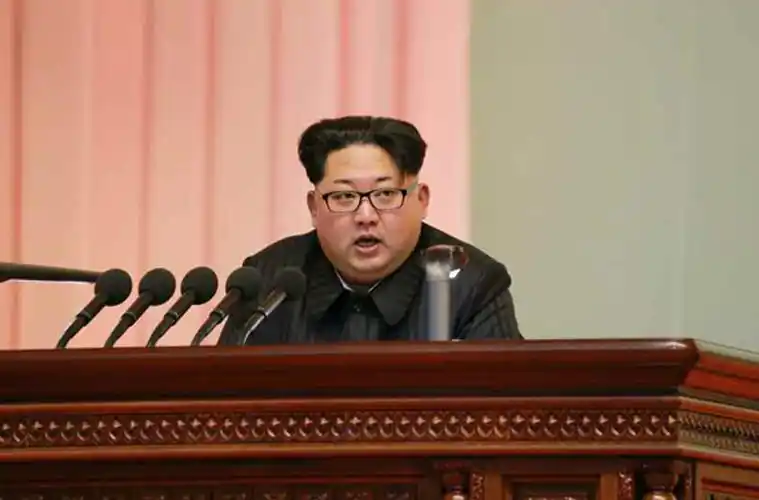
Full prompt
Generate a minimalist and naive hand-drawn image on paper based on a specific theme. First, extract the theme from complete photographic information and compress it into a few recognizable shaky black lines, minimal identifying outlines, and a few key symbols, then let a large expanse of clean white space support it. The subject is understood through its outer silhouette, posture, holes, edges, object relationships, and one or two handwritten marks; the lines are like black ink pens or thick pencils on paper, with uneven thickness, slight black accumulation at turns, circular shapes with hand-shaking deviations, long lines drifting slightly, and internal details leaving only necessary short lines. The complexity of the object should be reduced to the threshold of recognition—one stroke less makes it hard to recognize, one stroke more makes it too refined. Clothing, utensils, plants, architecture, food, machines, or abstract symbols are all transformed into white surfaces, black edges, loose connection lines, and a small feature that best explains their identity. If figures appear, the face remains paper-white, using only dot-like eyes, short nose lines, and minimal expressions; hair, beards, clothing folds, hands, and feet are compressed into blackened blocks, broken lines, or loose outlines, making the figure look like a remembered symbol rather than a portrait. The background is a paper field or a light-colored flat field, serving the functions of breathing, scale, and quiet observation, with obvious white space reserved above and around; a single subject falls in the middle or lower position, while multi-element content is compressed into a low-level horizontal relationship band, connected by a few vibrating bottom lines, keeping the upper void silent. Colors submit to black lines and white space, with white or near-white backgrounds occupying the largest area; black lines have structural authority, and low-saturation light colors are only used for physical grouping and emotional temperature, while small areas of warm or dark colors serve as semantic emphasis; coloring is slightly uneven, with edges slightly misaligned from the outline, retaining paper-white leaks, grain, and a sense of manual smearing. If text appears, it should look like low-precision labels or small notes written on the surface of objects with the same black pen, with uneven glyphs, loose spacing, and slight misalignment, but still readable; the text belongs to the object itself rather than an external layout. The overall piece maintains a tension between low completion and high-definition recognition, like a carefully kept casual sketch: empty, light, clumsy, readable, with a slight scanned paper feel, ink residue, broken lines, repeated strokes, and non-uniform coloring marks.
Original prompt
围绕具体主题内容生成一张极简稚拙的纸面手绘图像,先把主题从完整照片式信息中抽离出来,压缩成几笔仍能认出的抖动黑线、最低识别轮廓和少量关键符号,再让大片干净空白托住它。主体靠外轮廓、姿态、孔洞、边缘、物体关系和一两个手写标记被读懂;线条像黑色墨水笔或粗铅笔画在纸上,粗细不均,转折处略有堆黑,圆形带着手抖的偏差,长线微微漂移,内部细节只留下必要短线。对象的复杂度要降到识别临界点,少一笔会难认,多一笔会太精,衣物、器具、植物、建筑、食物、机器或抽象符号都转成白色块面、黑色边缘、松散连接线和一处最能说明身份的小特征。若出现人物,脸保持纸白,只用点状眼睛、短鼻线和极少表情,头发、胡子、衣褶、手脚都压成涂黑块、断线或松散轮廓,让人物像被记住的符号而不是肖像。背景是纸面场或浅色平场,承担呼吸、尺度和安静观看的功能,上方和四周保留明显空白;单主体落在中部或偏下位置,多元素内容压成低位横向关系带,用几条颤动底线串联,让上方空场保持沉默。色彩服从黑线和空白,白色或近白底占最大面积,黑线拥有结构权,低饱和淡色只用于形体分组和情绪温度,小面积暖色或深色只作为语义重音;填色略不均匀,边缘轻微错开轮廓,保留纸白漏出、颗粒和手工涂抹感。文字若出现,应像同一支黑笔写在物体表面的低精度标签或小注,字形不齐、间距松、略有错位,但仍能读懂,文字属于物体本身而不是外部版式。整体保持低完成度与高清识别之间的张力,像一张被认真留下的随手画,空、轻、笨拙、可读,带轻微扫描纸感、墨水残差、断线、重复描痕和非均匀涂色痕迹。
Use this prompt in the VdoBloom image editor.
Opens the image editor with this prompt — add your own photo to generate.