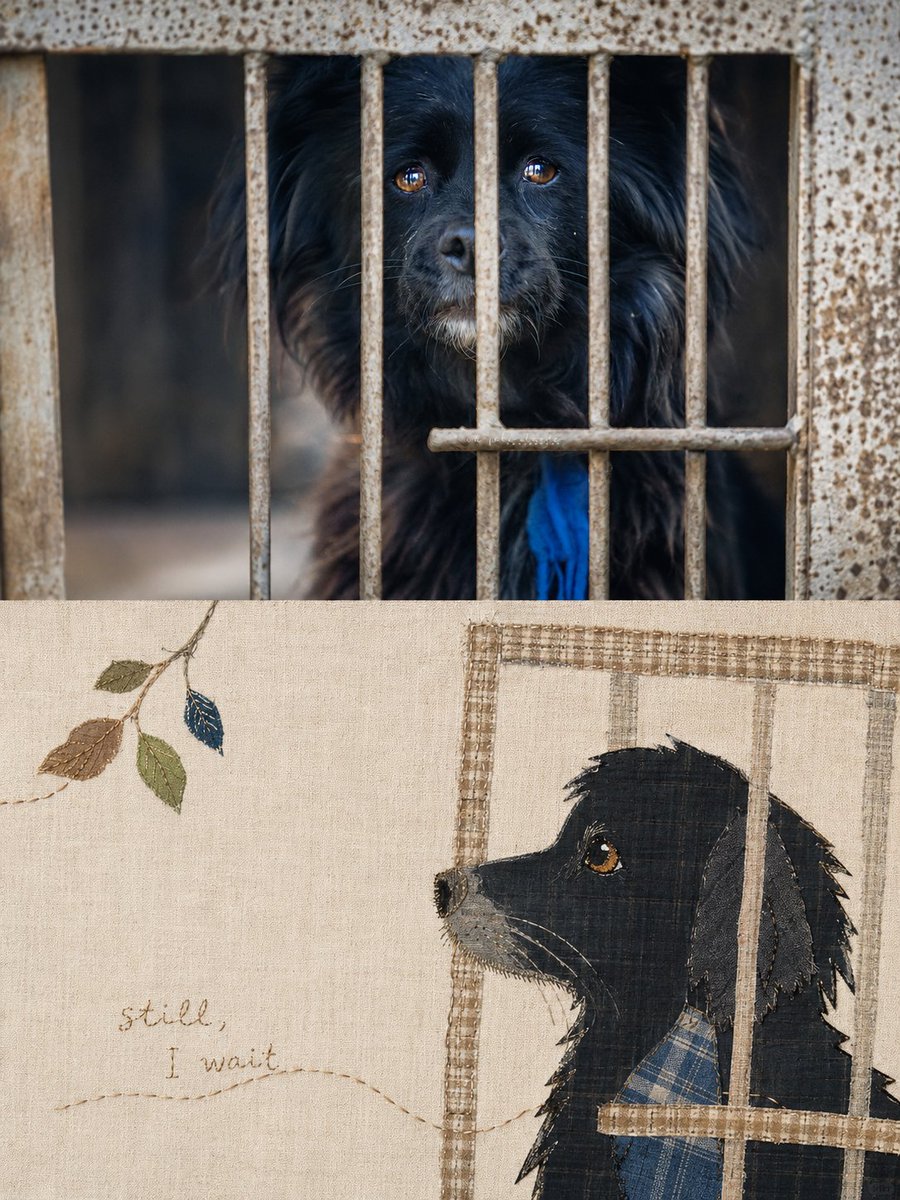
Retro Fabric Patchwork Art Poster
Full prompt
The following prompt should also be expressed using a similar logic. No punctuation at the end, leave blank lines where necessary. Don't be preachy, be playful, use divergent thinking in expression. Golden quotes should be the kind that leave an aftertaste, even worth recording. Design knowledge should also be concentrated and precise, worth savoring. In fact, you can focus just on this prompt, its core aesthetic creativity or style creation logic, and expand on it~ The lower part should be specific to life, rather than broad. All expressions should make design-savvy people feel like you are not expressing clichés; don't always use a fixed expression structure, all kinds of possibilities are allowed. The information density should be high, with at least 10 levels of information logic. Here is the prompt: ———————— Please turn each photo I upload into an independent high-end design poster, no multi-image stitching, each photo output individually. The overall composition uses a 3:4 vertical layout, with the upper and lower areas strictly 1:1 in height, each occupying 50% of the screen. The upper part retains the original photo, maintaining the main structure, real texture, natural light and shadow, and the original color atmosphere, with only slight high-end photographic color grading to give it the texture of an art magazine, independent publication, or exhibition photography. To adapt to the frame, the sky, ground, or environmental background can be naturally extended, but the subject must not be stretched, distorted, or changed. The lower part extracts the most recognizable subjects, outlines, gestures, and narrative relationships from the photos, further understanding the emotions, subtext, or metaphors in the photos, and then reconstructs them into warm and vintage handmade patchwork collages. Do not mechanically copy the original image, but use plaid cotton, linen, washed burlap, patches, and stitching to summarize the most important forms and relationships into concise fabric pieces, so that people can recognize the original object at a glance, while feeling the quietness, companionship, distance, staying, growth, belonging, chance encounters, or sense of time behind the photo. The composition emphasizes the art of white space and visual breathing, not filling elements evenly. According to the center of gravity, movement direction, and narrative relationship of the subject, freely arrange the size, density, layering, cutting, and crossing of the fabric pieces, so that the main forms and large areas of blank space form a relationship with tension; some branches, outlines, character movements, object edges, or scenery can naturally extend out of the patchwork area, making the picture look like it is growing, passing through, or continuing, rather than being sealed by borders. White space is not a gap, but a space that carries distance, emotion, time, and imagination. The color scheme does not set a fixed color card. Extract the most vibrant colors that represent the spiritual temperament from the photo above, and adaptively transform them into a healing, humanistic soft fabric color palette. Maintain the warm and cold relationship and color identity of the original image, moderately soften, brighten, and coordinate, making the overall feeling warm, refreshing, cordial, and full of life; the main body can retain a more distinct key color, with other colors as soft foils. Different photos should produce different color sets, avoiding fixed beige, gray-brown, Morandi, and deliberate aging. Keep real fabric patterns, fibers, raw edges, stitches, patches, cross-stitching, and slightly irregular splicing, making handmade traces naturally visible, but the whole still maintains the restraint and precision of high-end editorial design. The vintage feel comes from materials and handcrafting, rather than dirty colors, yellowing, or cheap aging. Text is not just a simple English sentence, but should become part of the emotion and composition. Refine an extremely short English word or phrase from the emotions, movements, relationships, or metaphors that the original image did not directly say, avoiding just writing the location or object name. The text can be in the form of fine line embroidery, hand-sewn stitches, or slight handwriting, following the trend of the subject, close to the edge of the fabric piece, hidden in the negative space, or continuing or pausing with the stitches, so that the graphics and text together form a reading rhythm. The text should be few and meaningful, like an unfinished sentence, rather than an explanatory label. The overall presentation is a healing, warm, quiet, human, vital, white-spaced, and story-telling visual temperament, like a work combining high-end lifestyle magazines, independent picture books, and contemporary textile art. Whether the subject is a person, animal, plant, architecture, object, food, vehicle, or natural landscape, one should first understand what the original image really wants to express, and then decide how to choose, leave space, stitch, and layout, avoiding a children's handicraft class feel, mechanical imitation, average composition, meaningless decoration, and a template feel.
Original prompt
如下提示词,也类似逻辑来表达, 结尾别标点, 必要的时候空行 别说教,俏皮,很发散思维的表达, 金句是那种让人回味的,甚至记录下来的那种。设计知识,也是浓缩且精准,值得回味。 甚至你可以只围绕这个提示词,最核心的美学创意或者风格创作逻辑,展开讲讲~ 下半部分的东西,要具体融入生活来说说,而不是宽泛的来说 所有表达,要让懂设计的人,不觉得你在表达陈词滥调,你也不要总是固定表达结构,各种可能都可以 信息密度要高,至少10个信息逻辑层次 如下是提示词: ———————— 请将我上传的每一张照片分别制作成一张独立的高级设计海报,不多图拼接,每张照片单独输出。整体采用 3:4竖版构图,上下两个区域高度严格1:1,各占画面50%。 上半部分保留原始照片,保持主体结构、真实质感、自然光影和原有色彩氛围,仅进行轻微高级摄影调色,使其具有艺术杂志、独立出版物和展览摄影质感。为适配画幅,可自然扩展天空、地面或环境背景,但不得拉伸、扭曲或改变主体。 下半部分提取照片中最具识别性的主体、轮廓、姿态与叙事关系,进一步理解照片中的情绪、潜台词或隐喻,再重构为温暖复古的手工拼布贴画。不要机械复制原图,而是使用格纹棉布、亚麻、水洗粗麻、补丁布和缝线,将最重要的形态与关系概括成简洁布片,使人一眼能认出原物,同时感受到照片背后的安静、陪伴、距离、停留、成长、归属、偶遇或时间感等内在情绪。 构图强调留白的艺术与视觉呼吸,不把元素平均铺满。根据主体的重心、动作方向和叙事关系,自由安排布片的大小、疏密、层叠、裁切与越界,让主要形态与大面积空白形成有张力的关系;部分枝叶、轮廓、人物动作、器物边缘或景物可以自然伸出拼布区域,让画面像正在生长、经过或延续,而不是被边框封死。留白不是空缺,而是承担距离、情绪、时间和想象的空间。 配色不设固定色卡,从上方照片中提取最有生命力、最能代表其精神气质的颜色,自适应转化为治愈系、人文主义的柔和布艺配色。保持原图自身的冷暖关系和色彩身份,适度柔化、提亮和协调,使整体温润、清爽、亲切、有生活感;主体可保留一处更鲜明的重点色,其余颜色柔和陪衬。不同照片应产生不同色组,避免固定米黄、灰棕、莫兰迪和刻意做旧。 保留真实布纹、纤维、毛边、针脚、补丁、交叉缝线与轻微不规则拼接,使手工痕迹自然可见,但整体仍保持高级编辑设计的克制与精度。复古感来自材质和手作,而不是脏色、泛黄或廉价旧化。 文字不是简单放一句英文,而应成为情绪与构图的一部分。从原图没有直接说出的情绪、动作、关系或隐喻中提炼一个极短英文词或短句,避免仅仅写地点或物体名称。文字可用细线刺绣、手缝线迹或轻微手写形式,顺着主体走势、贴近布片边缘、藏入负空间、与缝线发生延续或停顿,让图形与文字共同形成阅读节奏。文字应少而有意味,像一句没有说完的话,而不是说明标签。 整体呈现治愈、温暖、安静、有人情味、有生命力、有留白、有故事感的视觉气质,像高级生活杂志、独立绘本与当代纺织艺术结合的作品。无论主体是人物、动物、植物、建筑、器物、食物、交通工具或自然景观,都应先理解原图真正想表达什么,再决定如何取舍、留白、拼接与排版,避免儿童手工课感、机械临摹、平均构图、无意义装饰和模板感。
Use this prompt in the VdoBloom image editor.
Opens the image editor with this prompt — add your own photo to generate.