Split-Screen Architectural Design Poster
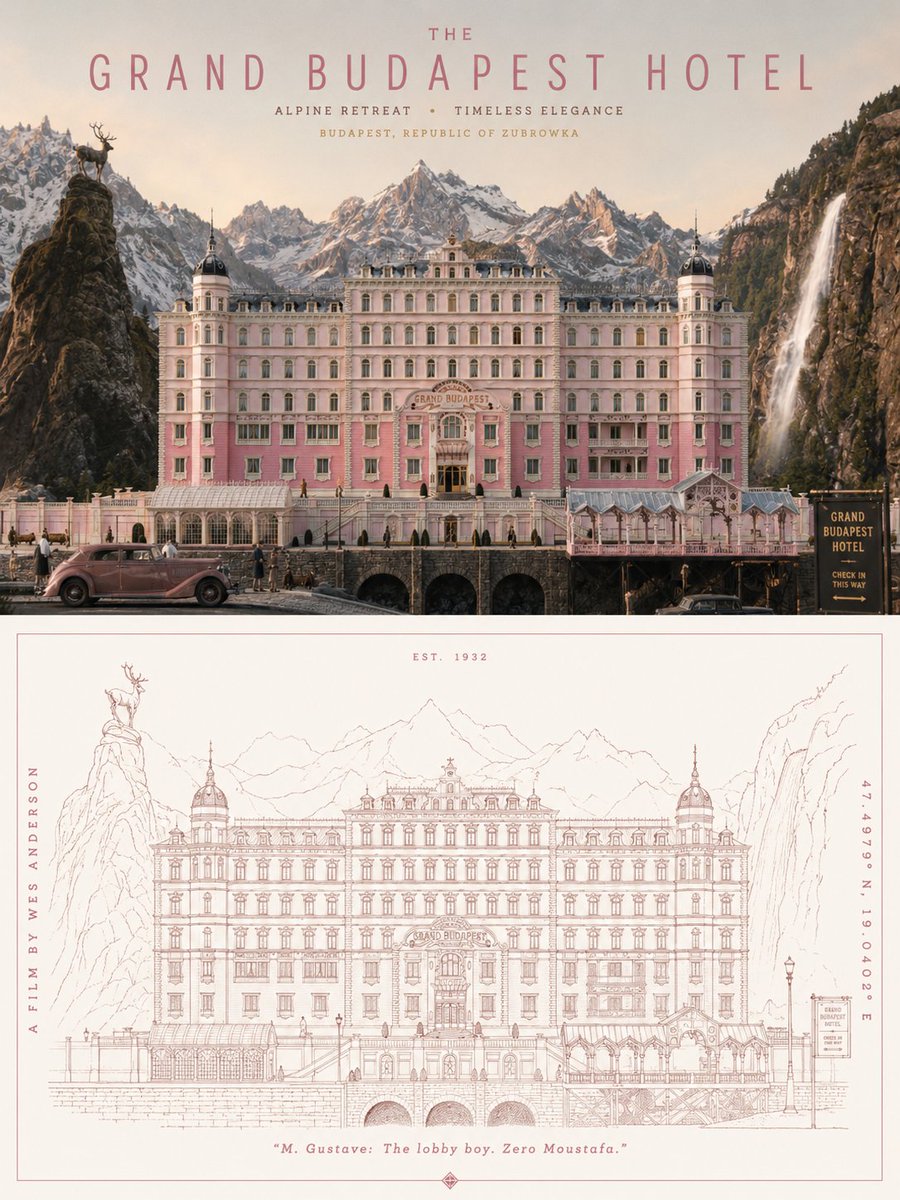
Full prompt
Please create an **ultra-high-resolution, printable 3:4 vertical poster** based on the final input theme. The overall structure adopts a diptych layout with two areas, top and bottom, with the **top and bottom heights strictly 1:1, each occupying 50% of the frame**. The **upper part** generates a complete, unified, realistic, and lived-in scene based on the theme. If the theme is a city, please first understand its core temperament, extract visual clues from spatial landscapes, street life, humanistic style, commercial atmosphere, dietary memories, local culture, historical layers, and daily rhythms, and naturally organize them into the same authentic and vivid urban slice, rather than a fragmented collage. If the theme is a specific street, neighborhood, landmark, business district, shop, building, or representative location, please focus on real spatial relationships, accurately presenting street structures, architectural interfaces, shop signs, transportation facilities, text systems, crowd states, and live atmosphere, while preserving its most recognizable local features. If the theme includes an address, coordinates, or reference pictures, please prioritize understanding the scene based on real information; do not fabricate out of thin air, do not randomly replace location features, and do not draw generic landscapes unrelated to the theme. Overall, avoid cheap tourism promotion and postcard-style expressions, but instead capture a restrained, exquisite, authentic theme moment with daily warmth; characters, buildings, streets, signs, windows, facilities, and activities coexist naturally, and landmarks merge into the environment without being exaggerated or overpowering. The **lower part** extracts the **most recognizable subjects, outlines, structures, postures, and narrative relationships** from the upper scene and reconstructs them into a **minimalist linear graphic expression**. Do not mechanically trace details, but instead re-express with thin and accurate single lines, clear geometric perspective, restrained white space, orderly rhythmic details, and moderately abstract generalized forms, while retaining immediately recognizable thematic features. If the theme leans towards a city or location, the most critical architectural skyline, street interface, sign rhythm, transportation facilities, window relationships, or crowd states can be extracted; if the theme is not a city, its most core identity features, outline language, structural relationships, and visual memory points should also be extracted and transformed into a unified, concise, modern, and high-end line-drawing poster language. A small amount of geometric auxiliary elements, horizontal lines, vertical structural lines, or rhythmic white space can be added, making the lower part look like a refinement and redesign of the realistic scene in the upper part. The **text system** needs to be naturally integrated into the overall layout, continuing this restrained, high-end, and modern poster logic. Set a striking main title at the top; the subtitle can use the original theme text, local language, country or region information, address, coordinates, number, year, or a short description. If the screen contains street text, signs, or location information, it must be clear, natural, authentic, and professional, avoiding garbled codes, wrong text, and random spelling. The text layout should be simple and orderly, and together with the picture, it should form a degree of completion like a collector-grade travel poster and city brand visual, rather than an explanatory label casually pasted on later. Colors should not mechanically follow fixed templates, but should first understand the climate, light, sense of time, building materials, historical atmosphere, commercial warmth, dietary impression, natural environment, and emotional texture of the theme itself, and then extract the relationship between the **primary color and background color exclusive to the theme**. The overall style can adopt monochrome printing aesthetics or a very small amount of restrained color matching, forming rich changes through line density, brightness levels, local weighting, white space ratios, and detail rhythms, avoiding monotony and flat tiling. The final product should present a poster effect with **clear lines, rich details, unified style, quiet and modern, agile and restrained, and high aesthetic quality**.
Original prompt
请根据最后输入的主题,创作一张**超高分辨率、可打印的 3:4 竖版海报**。整体采用上下两个区域的双联结构,**上下高度严格 1:1,各占画面 50%**。 **上半部分**根据主题生成一幅完整、统一、真实且富有生活感的场景画面。若主题是城市,请先理解其核心气质,从空间景观、街头生活、人文风情、商业氛围、饮食记忆、地方文化、历史层次与日常节奏中提炼视觉线索,并自然组织进同一幅真实而鲜活的城市切面中,而不是零散拼贴。若主题是具体街道、街区、地标、商圈、店铺、建筑或代表性地点,请以真实空间关系为核心,准确呈现街道结构、建筑界面、店铺招牌、交通设施、文字系统、人群状态与现场氛围,保留其最有辨识度的在地特征。若主题包含地址、坐标或参考图片,请优先依据真实信息理解场景,不要凭空杜撰,不要随意替换地点特征,也不要画成与主题无关的通用景观。整体避免廉价旅游宣传和明信片式表达,而应捕捉一个克制、精致、真实、具有日常温度的主题瞬间;人物、建筑、街道、标牌、橱窗、设施与活动自然共生,地标融入环境,不夸张、不喧宾夺主。 **下半部分**提取上半部分画面中**最具识别性的主体、轮廓、结构、姿态与叙事关系**,重构为一幅**极简线条图形化表达**。不要机械描摹细节,而是以纤细准确的单线、清晰几何透视、克制留白、有秩序的细节节奏和适度抽象的概括造型重新表达,保留一眼可识别的主题特征。若主题偏城市或地点,可提取其最关键的建筑天际线、街道界面、标牌节奏、交通设施、橱窗关系或人群状态;若主题不是城市,也应提取其最核心的身份特征、轮廓语言、结构关系与视觉记忆点,并转化为统一、简洁、现代、高级的线描海报语言。可加入少量几何辅助元素、水平线、纵向构成线或节奏性留白,使下半部分像是对上半部分现实场景的提炼与再设计。 **文字系统**需要自然融入整体版式,延续这种克制、高级、现代的海报逻辑。顶部设置醒目的主标题;副标题可使用主题原文、当地语言、国家或地区信息、地址、坐标、编号、年份或一句简短说明。若画面包含街头文字、招牌或地点信息,必须清晰、自然、真实、专业,避免乱码、错误文字与随意拼写。文字排版应简洁有秩序,与画面共同构成收藏级旅行海报与城市品牌视觉般的完成度,而不是后期随意贴上的说明标签。 色彩不要机械套用固定模板,而应先理解主题本身的气候、光线、时间感、建筑材料、历史气息、商业温度、饮食印象、自然环境与情绪质地,再提炼出**专属于该主题**的主色与底色关系。整体可采用单色印刷美学或极少量克制配色,通过线条疏密、明度层次、局部压重、留白比例与细节节奏形成丰富变化,避免单调和平铺。最终成品应呈现**线条清晰、细节丰富、风格统一、安静现代、灵动克制、审美高级**的海报效果。
Use this prompt in the VdoBloom image editor.
Opens the image editor with this prompt — add your own photo to generate.