Extreme Weather TV Reporter System
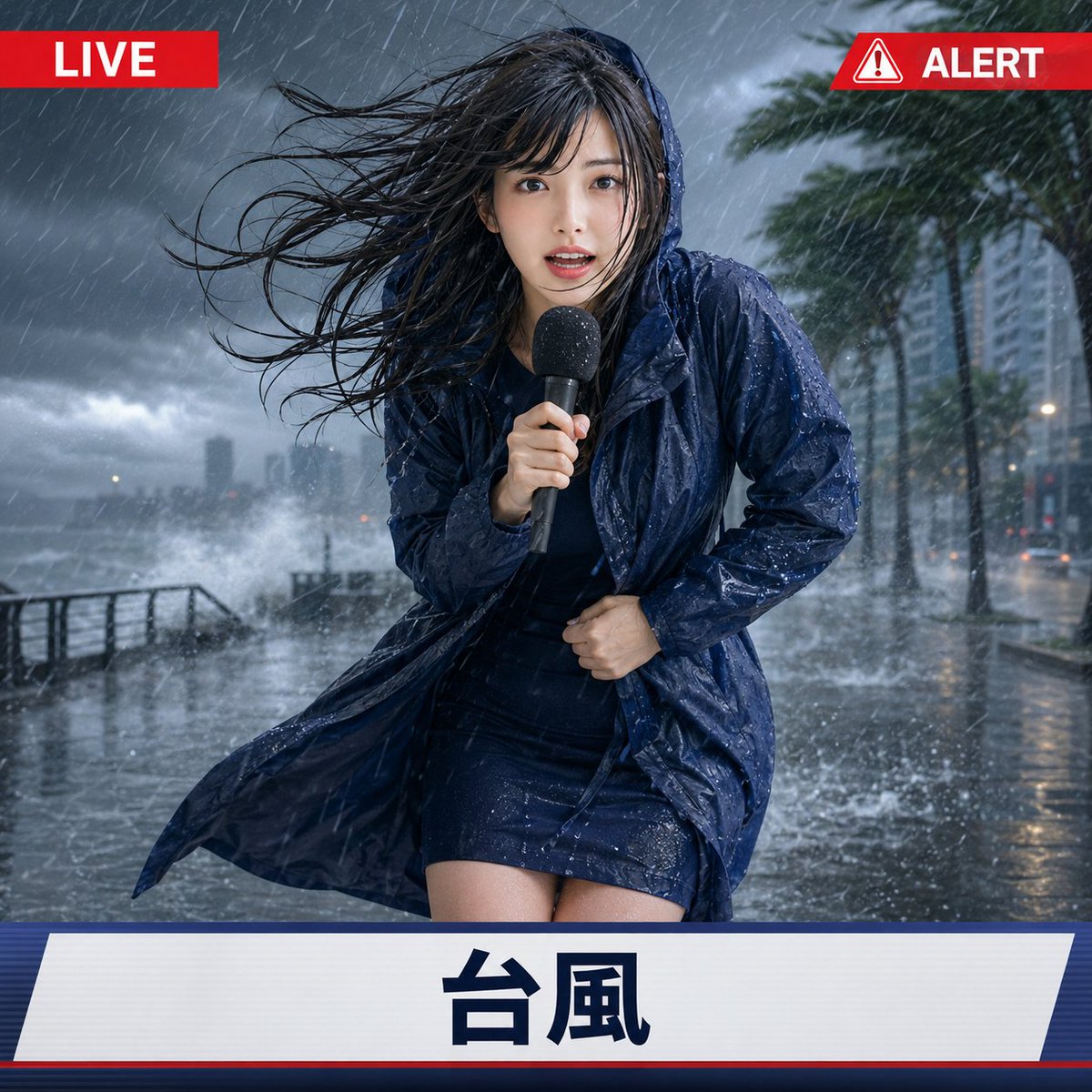
Full prompt
[Input Items] Reference image: 1, Weather type: Heatwave / Typhoon / Blizzard, Aspect ratio: Required (e.g. 1:1) [Recommended Reference Image] Use an image where the person's features, hairstyle, hair color, age, build, and outfit style are clear. An image showing the face to upper body or full body is recommended. A simple background is ideal. [Main Instructions] Depict the person in the attached reference image as an outdoor reporter reporting from a site of extreme weather in a fictional television broadcast. Faithfully maintain the features, hairstyle, hair color, eye impression, age, build, atmosphere, and expression format from the reference image, ensuring the person is recognizable. Reconstruct live-action images as high-quality realism, and anime or illustrations while maintaining the original art style, lines, coloring, and texture. Do not inherit the background, lighting, composition, or original pose from the reference image. Naturally adjust the outfit to match the input weather while keeping the original colors and atmosphere as much as possible. The person is a local reporter holding a broadcast hand microphone and reporting the situation to the camera. Depict the moment they are not just standing calmly, but are being buffeted by the extreme weather, frantically yet desperately continuing the broadcast. Make the hair, clothing, facial expression, posture, body tilt, hand movements, and belongings react naturally to the weather so the person looks like they are truly on-site. Make the facial expression large enough to convey the severity of the situation, but do not make it a serious expression of only fear or pain. Make it an impressive on-site broadcast that stands out on social media. However, this appeal should be expressed through the person's reaction and the power of the extreme weather, not through UI decorations. Overlay a simple fictional TV broadcast UI on the screen. The UI should be fixed in the same shape and placement for all weather types, with no busy decorations, weather maps, complex numbers, or long text. At the top of the screen, place small fixed UI elements paired on the left and right. On the top left, display 'LIVE' in white text inside a small red horizontal banner. On the top right, display a red and white warning triangle icon and 'ALERT' in white text as a small banner UI at the same top position, height, and design style as the top left. Align the distance of the left and right UI elements from the top and the edges, adjusting the width naturally according to the content. At the bottom of the screen, place a horizontal, simple broadcast bar. In the lower bar, display only the text exactly identical to the input weather type, largely and clearly. If input is 'Heatwave', show '猛暑'. If 'Typhoon', show '台風'. If 'Blizzard', show '猛吹雪'. Limit text only to the 'LIVE' and 'ALERT' in the top UI and the weather type display in the bottom bar. Do not display any text other than the specified weather name, such as region names, station names, program names, real logos, corporate logos, or additional tickers. Within the background, do not display readable signs, advertisements, guideboards, road sign text, descriptions, English characters, Japanese, or numbers. [Weather-Specific Expressions] ■ Heatwave: Use a city street corner under intense midsummer sunlight as the background. Make it immediately obvious that it is a dangerous heatwave rather than a normal sunny day. Make the road surface white-bleached, dry, matte, non-glossy asphalt. Express the dry, extreme heat with fine cracks, dry dust, strong shadows with clear outlines, and slight heat haze visible on the road in the distance. Do not include wet roads, puddles, flooding, mirror reflections, textures like after rain, splashes, fog, or steam-like appearances. The person should be sweating heavily on their forehead and neck, with a slightly flushed face, enduring the heat and glare while reporting. Hold a microphone in one hand and wipe sweat with a handkerchief or small towel in the other. Have the hair slightly messy from the heat, continuing the report while looking flustered. Express sweat primarily on the skin; do not make hair or clothes look drenched as if by rain. Keep the clothing basically dry. ■ Typhoon: Use an outdoor site with a dark sky, driving heavy rain, storm winds, splashes, wet roads, and strongly swaying trees as the background. Make the wind and rain cross the screen so the intensity of the typhoon is obvious at a glance. The person should tilt their body and plant their feet firmly while reporting. Hair is violently disheveled by the strong wind, and clothes are blown about and wet from the rain. Strongly grip the microphone with one hand and use the other hand to support the body or clothes. If necessary, naturally add simple rain gear or a hood that retains the vibe of the original outfit. Do not use an umbrella. Keep the pose dynamic but within a range where the face, hands, and microphone are easy to see as a news broadcast screen. ■ Blizzard: Use a winter street surrounded by heavy snow and strong winds as the background. Snow should blow violently sideways, visibility should be hazy and white, and there should be thick snow accumulation on the road and surroundings. Make it clear that this is a blizzard where it is difficult even to stand, not just normal snowfall. The person should wear a thick winter coat, scarf, gloves, and a hood if necessary, bracing themselves in a forward-leaning posture while shrinking from the cold. Snow should be attached to the hair, shoulders, and winter gear, showing them desperately continuing the broadcast while squinting. Naturally match the color and impression of the winter gear to the outfit in the reference image and the person's vibe. [Composition and Finishing] Make the person the main subject in a medium-range TV broadcast composition where they are clearly visible from the top of the head to above the knees. Position the person in the center of the screen, with a composition where the face, hands, microphone, posture reacting to the weather, extreme weather in the background, top UI, and bottom UI are all easy to read. The person's size should fit naturally between the top and bottom UI and appear stable as a TV broadcast screen. Avoid extreme wide angles, extreme poster-style compositions, or compositions where the person occupies too much of the screen. Express the weather strongly and exaggeratedly, but do not completely hide the person's face or body. Do not depict blood, injuries, collapses, evacuees, or serious disaster damage; finish it as an exaggerated local broadcast with a sense of presence and comicality that stands out on social media. Do not overlap the UI bars or text with the person, microphone, hands, or face. Correctly depict the person's body, fingers, and microphone, and do not generate duplicate people, different people, extra limbs, extra microphones, garbled text, nonsensical characters, or real-world logos.
Original prompt
【入力項目】 参照画像:1枚 天候タイプ:猛暑 / 台風 / 猛吹雪 アスペクト比:必須(例1:1) 【推奨参照画像】 人物1人の顔立ち、髪型、髪色、年齢感、体型、衣装の雰囲気が分かる画像を使用してください。顔から上半身、または全身が写っている画像を推奨します。背景はシンプルなものが適しています。 【本文指示書】 添付した参照画像の人物を、架空のテレビ放送で極端な天候の現場から中継している屋外リポーターとして描写してください。 参照画像からは、顔立ち、髪型、髪色、目の印象、年齢感、体型、人物の雰囲気、表現形式を忠実に維持し、別人化させないでください。実写画像は高品質な実写として、アニメやイラストは元の絵柄、線、彩色、質感を保ったまま再構成してください。 参照画像の背景、照明、構図、元のポーズは継承しません。衣装は元の色や雰囲気を可能な範囲で残しながら、入力された天候に適した状態や装備へ自然に調整してください。 人物は放送用のハンドマイクを持ち、カメラに向かって状況を伝えている現地リポーターです。冷静に立っているだけではなく、極端な天候に翻弄され、慌てふためきながらも必死に中継を続けている瞬間を描写してください。 髪、衣服、表情、姿勢、身体の傾き、手の動き、持ち物を天候に自然に反応させ、人物が本当にその現場にいるように表現してください。表情は状況の厳しさが伝わる程度に大きくしますが、恐怖や苦痛だけの深刻な表現にはしないでください。SNSで映える印象的な現地中継にしてください。ただし、その映えはUIの装飾ではなく、人物のリアクションと異常気象の迫力で表現してください。 画面には、シンプルな架空のテレビ中継UIを重ねてください。UIは全天候で同じ形と配置に固定し、賑やかな装飾、天気図、複雑な数値、長い文章は入れません。 画面上部には、左右に対になる小さな固定UIを配置してください。 左上には、赤い横長の小型バナーの中に白文字で「LIVE」と表示してください。 右上には、左上と同じ上端位置、同じ高さ、同じデザイン系統の小型バナーUIとして、赤白の警告三角アイコンと白文字の「ALERT」を表示してください。左右のUIは、上端からの距離と左右端からの距離を揃え、横幅は内容に応じて自然に調整してください。 画面下部には横長のシンプルな放送帯を配置してください。下段の帯には、入力された天候タイプと完全に同じ文字だけを、大きく明確に表示してください。 入力が「猛暑」の場合は「猛暑」 入力が「台風」の場合は「台風」 入力が「猛吹雪」の場合は「猛吹雪」 文字は、上部UIの「LIVE」「ALERT」と、下段帯の天候タイプ表示だけに限定してください。指定された天候名以外の文章、地域名、放送局名、番組名、実在ロゴ、企業ロゴ、追加テロップは表示しないでください。背景内にも、読める看板、広告、案内板、道路標識の文字、説明文、英字、日本語、数字を表示しないでください。 【天候別表現】 ■ 猛暑 強烈な真夏の日差しに照らされた都市の街頭を背景にしてください。通常の晴天ではなく、危険な猛暑であることを一目で分かるようにしてください。 路面は、白っぽく日焼けした、乾いた、マットで光沢のないアスファルトにしてください。細かなひび割れ、乾いた砂ぼこり、輪郭の明確な強い影、遠景の路面上にわずかに見える陽炎によって、乾燥した極端な暑さを表現してください。濡れた路面、水たまり、冠水、鏡面反射、雨上がりのような質感、水しぶき、霧、水蒸気のような見え方は入れないでください。 人物は額や首元に大量の汗をかき、顔が少し火照り、暑さとまぶしさに耐えながら中継してください。片手にマイクを持ち、もう片方の手に持ったハンカチまたは小さなタオルで汗を拭ってください。暑さで少し髪が乱れ、焦りながらも報告を続けている様子にしてください。汗は主に肌に表現し、髪や衣服は雨に濡れたような状態にしないでください。衣服は基本的に乾いた状態を保ってください。 ■ 台風 暗い空、横殴りの豪雨、暴風、水しぶき、濡れた路面、強く揺れる木々が見える屋外現場を背景にしてください。風と雨が画面を横切り、台風の激しさが一目で分かるようにしてください。 人物は身体を斜めに傾け、足元を踏ん張りながら中継してください。髪は強風で激しく乱れ、衣服も大きくあおられ、雨で濡れています。片手でマイクを強く握り、もう片方の手で身体や衣服を支えるような仕草を入れてください。必要に応じて、元衣装の雰囲気を残した簡易レインウェアやフードを自然に追加してください。傘は使用しないでください。ポーズは大きくしすぎず、報道画面として顔、両手、マイクが見やすい範囲に収めてください。 ■ 猛吹雪 大量の雪と強風に包まれた冬の街路を背景にしてください。雪は横方向へ激しく吹きつけ、視界は白くかすみ、道路や周辺には厚い積雪があります。通常の降雪ではなく、立っていることも難しい猛吹雪であることを明確にしてください。 人物は厚手の防寒コート、マフラー、手袋、必要に応じてフードを着用し、寒さで身体を縮めながら前傾姿勢で踏ん張ってください。髪、肩、防寒具には雪が付着し、目を細めながら必死に中継を続けている様子にしてください。防寒具の色や印象は、参照画像の衣装と人物の雰囲気に自然に合わせてください。 【構図と仕上げ】 人物を画面の主役として、頭頂から膝上までが明確に見える中距離のテレビ中継構図にしてください。人物は画面中央に配置し、顔、両手、マイク、天候に反応する姿勢、背景の異常気象、上部UI、下段UIがすべて読み取りやすい構成にしてください。 人物の大きさは、上部UIと下部UIの間に無理なく収まり、テレビ中継画面として安定して見える範囲にしてください。極端な広角、極端なポスター風構図、人物が画面を占めすぎる構図は避けてください。 天候は強く大げさに表現しますが、人物の顔や身体を完全に隠さないでください。流血、負傷、倒壊、避難者、深刻な災害被害は描写せず、SNSで映える、コミカルさと臨場感のある誇張された現地中継として仕上げてください。 UIの帯や文字を人物、マイク、手、顔に重ねないでください。人物の身体、指、マイクを正しく描写し、人物の重複、別人化、余分な手足、余分なマイク、文字化け、意味不明な文字、実在ロゴを生成しないでください。
Use this prompt in the VdoBloom image editor.
Opens the image editor with this prompt — add your own photo to generate.